

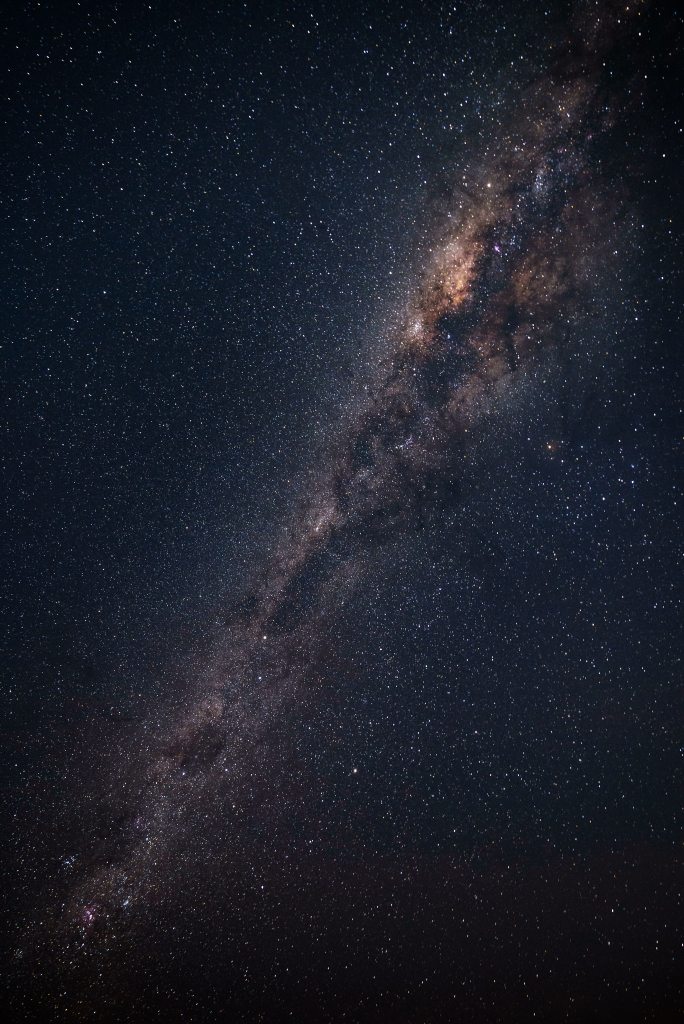
The universe is a vast expanse filled with extremes, from the coldest regions to the hottest and most energetic phenomena. In this article, we embark on a journey to explore the hottest temperatures found in various celestial objects and cosmic events, delving into the mind-boggling extremes that challenge our understanding of the universe.
1. Stellar Cores: Thermonuclear Furnaces
At the heart of massive stars, nuclear fusion reactions convert hydrogen into helium, releasing an immense amount of energy. This process creates temperatures reaching tens of millions of degrees Celsius, turning stellar cores into fiery thermonuclear furnaces that power the luminous brilliance of these celestial giants.
2. Supernovae: Blazing Explosions
When massive stars reach the end of their lives, they undergo supernova explosions, releasing an enormous burst of energy. During this cataclysmic event, temperatures can soar to hundreds of billions of degrees Celsius, briefly outshining entire galaxies.
3. Active Galactic Nuclei: Supermassive Black Hole Bonfires
In the centers of many galaxies, supermassive black holes reign, surrounded by an accretion disk of matter spiraling inwards. The friction and compression in this accretion disk create temperatures reaching trillions of degrees Celsius, making active galactic nuclei some of the hottest spots in the universe.
4. Quasar Cores: Ancient Beacons
Quasars are incredibly bright and distant celestial objects powered by supermassive black holes. Their cores can blaze at temperatures exceeding a trillion degrees Celsius, making them the most energetic and luminous entities in the cosmos.
5. Particle Colliders: Terrestrial Heat and Discovery
On Earth, scientists recreate extreme temperatures by colliding subatomic particles at high speeds in particle accelerators. In these controlled experiments, temperatures can briefly reach trillions of degrees Celsius, enabling researchers to study conditions similar to those in the early universe.
6. Big Bang: The Ultimate Heat
At the very beginning of the universe, during the Big Bang, temperatures were unimaginably high, likely reaching infinity. As the universe expanded and cooled, matter and energy began to take shape, setting the stage for the cosmic dance of celestial objects we observe today.
Conclusion:
The exploration of the hottest temperatures in the universe takes us to the most extreme environments known to science. From the blazing cores of stars to the fiery brilliance of supernovae and quasars, these cosmic phenomena push the boundaries of our comprehension. As we continue to study and unravel the mysteries of the universe, the knowledge gained from these fiery extremes enhances our understanding of the cosmos and our place within it. The quest to explore the extremes of temperature in the universe is an ongoing journey of discovery and wonderment, inspiring scientists and stargazers alike to reach for the stars.
 global Wanderlust Adventures
Leave a comment